Ground investigation
Holes where the desk study points, every layer logged, samples to the lab.
The layer that matters on most brownfield sites
Made ground is whatever earlier owners left behind. This row comes from the log for the former bus depot (sample).
0 m12345678▼▽
Depth (m)
Layer as logged
Samples and tests
What it means for the site
0.30–1.80 m
Made ground
Grey-black ash, brick, clinker and broken concrete. Diesel odour from 0.90 m.
S2 at 0.90 m: hydrocarbons, PAHs and metals. Gas reading 85 ppm
Hydrocarbons above the level for homes with gardens. Dig out or cover with clean soil before building (sample).
Topsoil Made ground Clay Sand and gravel Mudstone ▽Water struck ▼Water level after 20 minutes
Depths in metres below ground level. The core is drawn to scale; the rows say what the drill found and what it means for the new homes planned on the site (sample log).
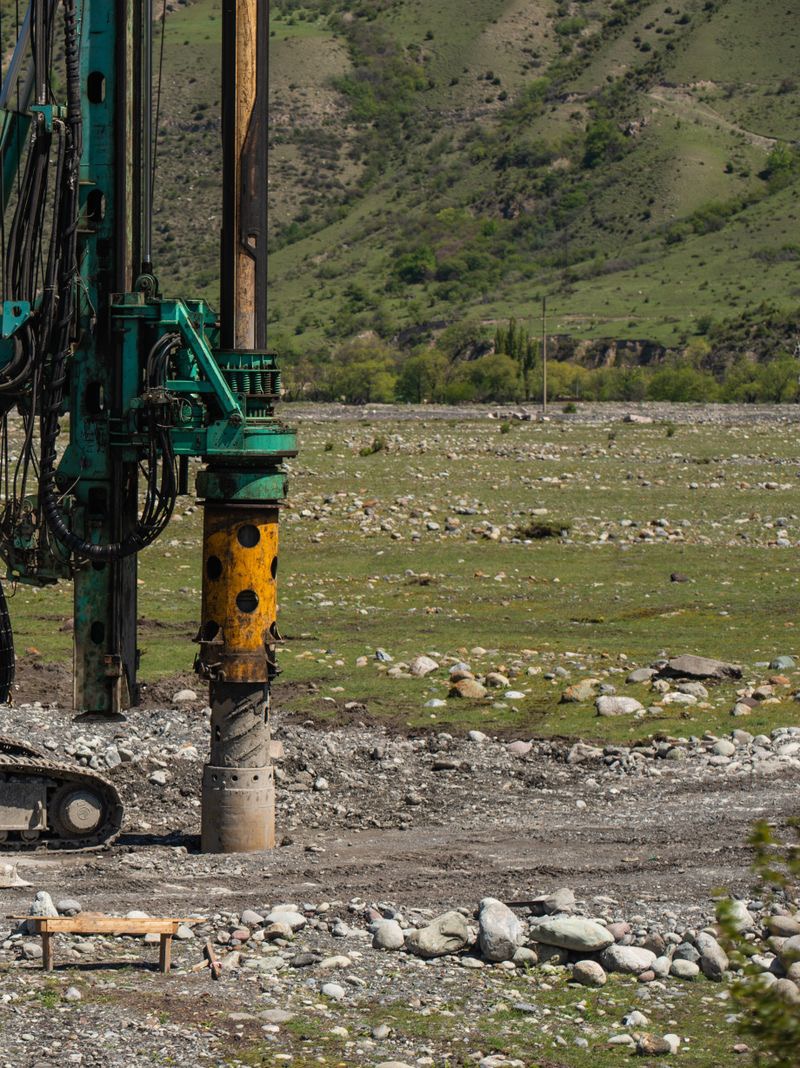
On the drilling day
A small tracked rig, two people and a day or two on site for most housing plots (sample).
1
Services checked
Underground cables and pipes scanned before the first hole.
2
Holes drilled and logged
Every layer described as it comes up, as in the log above.
3
Samples taken
Into the lab’s jars, kept cool and sent the same day.
4
Wells installed
Where groundwater or gas needs watching, with a lockable cover.
5
Site left tidy
Holes sealed, spoil bagged, the ground reinstated.
Send us the site address
We check the old maps and the planning record before we reply, so the quote fits the site. Most quotes go out within two working days (sample).