Curriculum
What students learn in each stage, how much homework to expect and how we report progress to families.
Subjects in Years 7 to 9
Every student takes the same broad course for three years before choosing options. The colours match the timetable.
En
English
4 lessons a week
Ma
Maths
4 lessons a week
Bi
Biology
Science, 4 a week
Fr
French
2 lessons a week
Hi
History
2 lessons a week
Ge
Geography
2 lessons a week
Re
Religion and ethics
1 lesson a week
Cs
Computing
1 lesson a week
Ar
Art
1 lesson a week
Mu
Music
1 lesson a week
Dt
Design and technology
1 lesson a week
Pe
PE
2 lessons a week
Lessons a week (sample). Spanish starts in Year 8; drama is taught inside English.
Three stages, seven years
Each stage has its own head of year team, its own building wing and its own start time for lunch.
789
Lower school
Years 7 to 9, ages 11 to 14
A broad course, a form tutor who stays with the group, and a buddy from Year 10 in the first term.
1011
Upper school
Years 10 and 11, ages 14 to 16
Core subjects plus four options chosen in Year 9, ending with national exams in the summer of Year 11.
1213
Sixth form
Years 12 and 13, ages 16 to 18
Three A-levels or a vocational course, study periods in the library and help with what comes next.
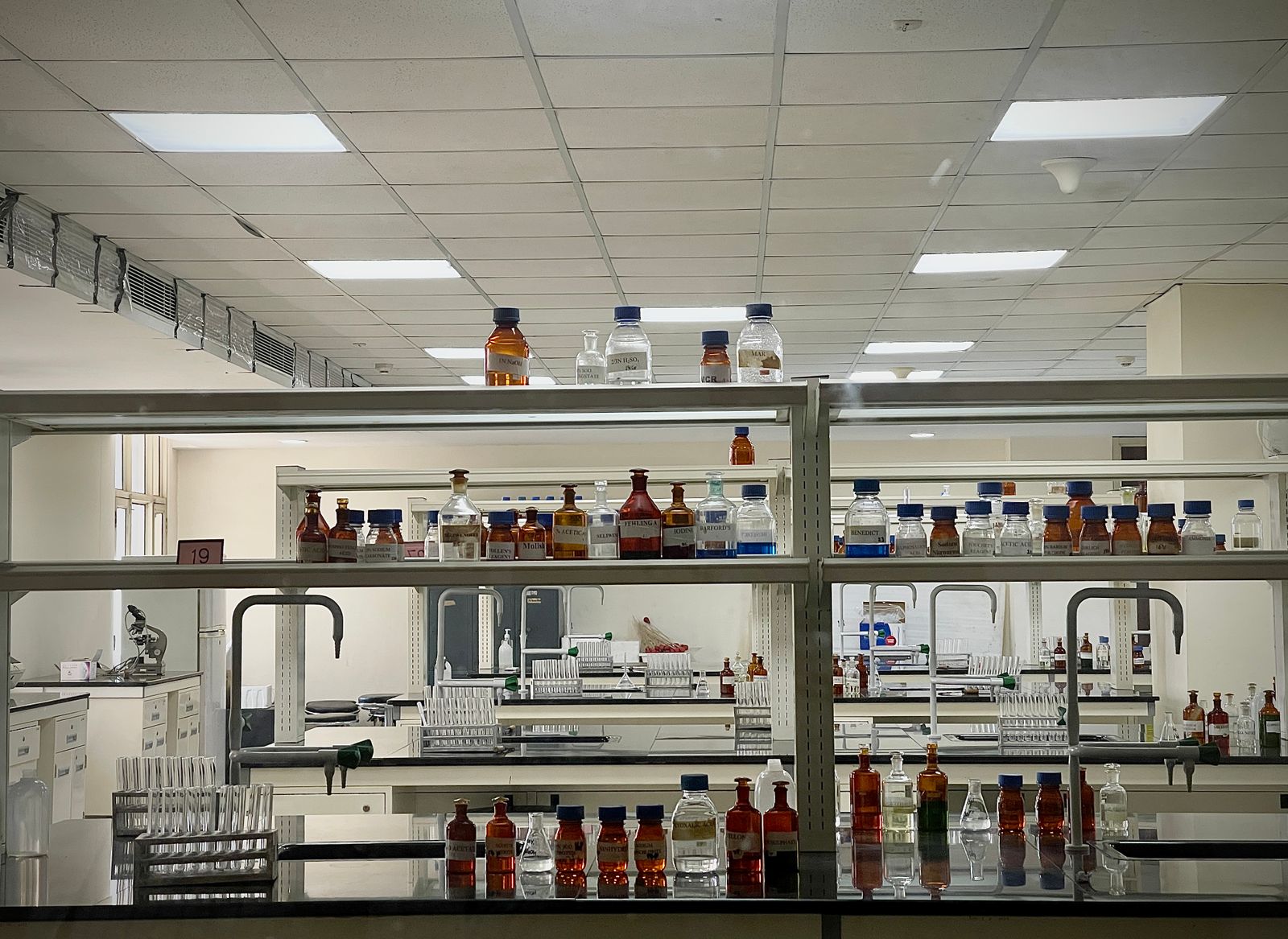
Practical science, every week
Five laboratories mean every science group does at least one practical a week. Students keep a lab book from Year 7 to Year 11.
- Separate biology, chemistry and physics from Year 10
- A science club and a national science week fair
- Fieldwork for geography and biology in Years 8, 10 and 12
Homework
Homework is set on the school app the day it is given, with the date it is due. Families can see it too.
Years 7 to 9
Usually two short pieces
About 1 hour a day
Years 10 and 11
More before mock exams
1.5 to 2 hours a day
Years 12 and 13
Independent study, much of it in school
5 hours a subject a week
How we report progress
Three points in the year, in the same order every year.
- Autumn, after half term. A short progress check for every subject: effort, homework, attendance.
- Spring. Parents’ evening: ten minutes with each teacher, in school or online.
- Summer. End-of-year exams in Years 7 to 10 and 12, then a full written report.
Learning support
Students with special educational needs or a disability learn in the same classes as everyone else, with support planned around them. The learning support team also runs reading catch-up, exam access arrangements and a quiet base at break and lunch.
Our special needs coordinator is the first person to talk to (sample contact on the Contact page).
Questions from parents
When are options chosen?
In the spring of Year 9. Students take an options evening with their parents, then choose four subjects alongside English, maths and science.
Can my child take three sciences?
Yes. Separate sciences are one of the options; the rest take combined science, which still leads to any science A-level.
How are classes set?
Maths is set by ability from Year 7, English and science from Year 9. Other subjects are taught in mixed groups.
What languages do you teach?
French from Year 7 and Spanish from Year 8. Most students take at least one language to the end of Year 11.
Come and see a school day
Tours run on Tuesday and Thursday mornings in term time, led by two sixth-form students. You see lessons in progress, the labs, the library and lunch.