

Every figure, checked to its source
Calder Row Partners (sample) audits and reviews the accounts of companies, charities and co-operatives in Springfield, and advises owners on cash flow and controls. The green marks on our working papers show what was checked, and how.
Lead schedule B
Current assets at 31 December, in dollars (sample)
Line
This year
Last year
Marks
Cash at bank
182,460
141,905
CT
Trade receivables
96,310
88,742
CVE1
Inventory
64,075
70,120
OV
Prepayments
8,940
7,615
VA
Total current assets
351,785
308,382
F
E1 One sales invoice of $1,240 dated 3 January had been counted in December sales. The client has corrected it (sample).
C Confirmed balance agreed to a letter we received direct from the bank or customer
T Traced agreed to the general ledger and the trial balance
V Vouched checked to an invoice, contract or receipt for a sample of items
O Observed we attended the year-end stock count and recounted a sample
A Analysed movement on last year compared and explained
F Footed column re-added; total agrees
Compilation, review or audit
The same four figures, three levels of work. The marks show what each one checks, and so how far others can rely on it.
Compilation
Assurance: none
Cash at bank
182,460
Trade receivables
96,310
Inventory
64,075
Total
351,785
No marks: we put your figures together and do not check them.
We prepare the accounts from your records. Useful for owners and small lenders who need tidy figures, not a check of them.
You receive
Accountants’ report
Fee from
$1,600
Review
Assurance: limited
Cash at bank
182,460
A
Trade receivables
96,310
AI
Inventory
64,075
AI
Total
351,785
A
We compare the figures with last year and with what we know of the business, and ask about anything unusual.
You receive
Review report
Fee from
$4,800
Audit
Assurance: reasonable
Cash at bank
182,460
CT
Trade receivables
96,310
CV
Inventory
64,075
OV
Total
351,785
F
We test the figures against evidence from outside the business: bank letters, invoices, the stock count.
You receive
Auditor’s report
Fee from
$9,500
Example prices for a company with a turnover under $5m. Figures (sample).
Audit, assurance and advice
Assurance work carries our marks and a signed report. Advisory work is advice: it helps you decide, and says so.
Statutory audit
An independent opinion on your annual accounts, tested against evidence from outside the business.
Who asks for it
The law, shareholders, a lender
Marks
CTVOF
from $9,500
Review engagement
Analysis and questions instead of testing: less work than an audit, and a lighter report to match.
Who asks for it
A lender, a franchisor, a board
Marks
AI
from $4,800
Agreed-upon procedures
Only the checks you and the reader agree, such as how a grant was spent, reported as facts found.
Who asks for it
A funder, a landlord, a franchisor
Marks
CTV
from $1,800
Cash-flow forecasts
A 13-week and a 12-month forecast built with you, with the assumptions written down.
Who asks for it
Your bank, your board, you
Marks
Advice, not assurance
from $2,400
Internal controls
A walk through how money comes in and goes out, with a short list of gaps and fixes.
Who asks for it
A board, an audit committee
Marks
Advice, not assurance
from $3,600
Due diligence
The accounts, the cash and the contracts of a business you plan to buy, read before you sign.
Who asks for it
You, before you sign
Marks
Advice, not assurance
from $7,500
Example prices. The fee for your work is in the engagement letter you sign.

Who we work with
Most of our clients come to us because someone else needs to rely on their figures.
Companies with a lender
Owner-managed businesses whose bank asks for reviewed or audited accounts.
Companies over the audit threshold
Groups and subsidiaries that need a statutory audit every year.
Charities, co-ops and funded projects
Annual audits and grant reports for treasurers and boards.
Buyers and investors
Due diligence on a business before the price is agreed.
The audit year, in six stages
For a December year end. Most of the work is planned before the year closes, so the weeks after it are short.
1
8 weeks before year end
Planning meeting
We meet your finance team, agree the timetable and send the list of what to prepare.
2
4 weeks before
Interim visit
We walk through your systems and test controls, so less is left for after the year end.
3
Year end
Stock count
We attend the count, recount a sample and note the last delivery notes in and out.
4
6 to 8 weeks after
Fieldwork
Two to ten days on site or remote, testing the figures in the lead schedules.
5
9 weeks after
Clearance meeting
We go through every point we found with you, and what changes in the accounts.
6
10 to 12 weeks after
Signed report
Your board approves the accounts; we sign the report the same day.
Fees, fixed in the engagement letter
We quote from your last accounts and a short call. The fee and the timetable go into the engagement letter before any work starts.
Statutory audit, turnover under $5m
from $9,500
Statutory audit, turnover $5m to $25m
from $16,000
Charity or co-op audit
from $6,200
Review engagement
from $4,800
Agreed-upon procedures for a grant report
from $1,800
13-week cash-flow forecast
from $2,400
Internal controls review
from $3,600
Example prices.
Included
- Planning meeting and the list of what to prepare
- The clearance meeting with your board
- A management letter on the controls we tested
Quoted separately
- Records that are not ready on the agreed date
- Extra sites or stock counts
- Reports for a second reader, such as a new lender
What we ask you to prepare
Auditors call it the PBC list: prepared by client. You get it at the planning meeting, with a date against each item.
From your finance system
- Trial balance and general ledger at the year end
- Bank statements and reconciliations for every account
- Aged lists of what customers owe and what you owe
- Stock sheets from the count, signed
- Fixed asset register with additions and disposals
From the files
- Board minutes for the year
- New loans, leases and major contracts
- Payroll reports and year-end forms
- Letters from lenders, funders or regulators
- Last year's signed accounts

Questions finance managers ask us
Do we need an audit?
It depends on your size, your legal form and who is asking. Many companies need one only when a lender or funder requires it. Send us the request and your last accounts and we will say which work fits.
What is the difference between a review and an audit?
A review relies on analysis and questions and gives limited assurance. An audit tests the figures against outside evidence and gives reasonable assurance. Neither is a guarantee that the accounts are free of error.
How long does an audit take?
For a December year end, planning starts in October and the report is usually signed 10 to 12 weeks after the year end. Most of the time depends on when your records are ready.
Can you keep our books as well as audit them?
Not for the same year. To stay independent we do not prepare the figures we then audit. We can recommend a bookkeeper, or advise on forecasts and controls.
What happens if you find a mistake?
We show it to you at the clearance meeting with the evidence. Most differences are corrected in the accounts before they are signed.
Can we change auditors mid-year?
Yes. We write to your current auditor for their working papers with your permission, and plan the first year around what they hand over.
Briefings
-
Review or audit: what your lender is really asking for
- Details
- October 11, 2026

Two reports, two levels of checking, and how to tell which one a loan agreement needs (sample briefing).
-
A 13-week cash forecast in one afternoon
- Details
- October 6, 2026

Start from the bank balance, add what you know, then what you expect (sample briefing).
-
Before the auditor arrives: getting the PBC list done
- Details
- October 1, 2026

The list of what to prepare decides how long fieldwork takes (sample briefing).
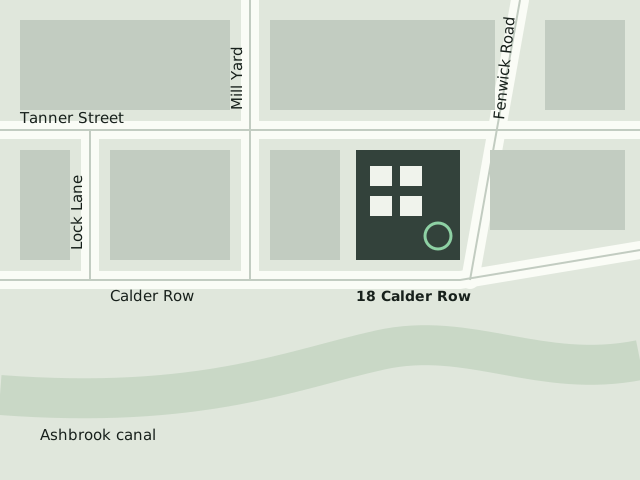
The office on Calder Row
18 Calder Row, Springfield (sample)
Second floor, lift from the courtyard entrance
Monday to Friday
8:30–17:30
Fieldwork weeks, February to April
8:00–18:00
Saturdays
Closed
Opening hours (sample). Visitor parking in Mill Yard.